ISCF outlines a professional competence pathway for independent sustainability assurance, supporting international climate accountability and credible ESG disclosures.
16 November 2026
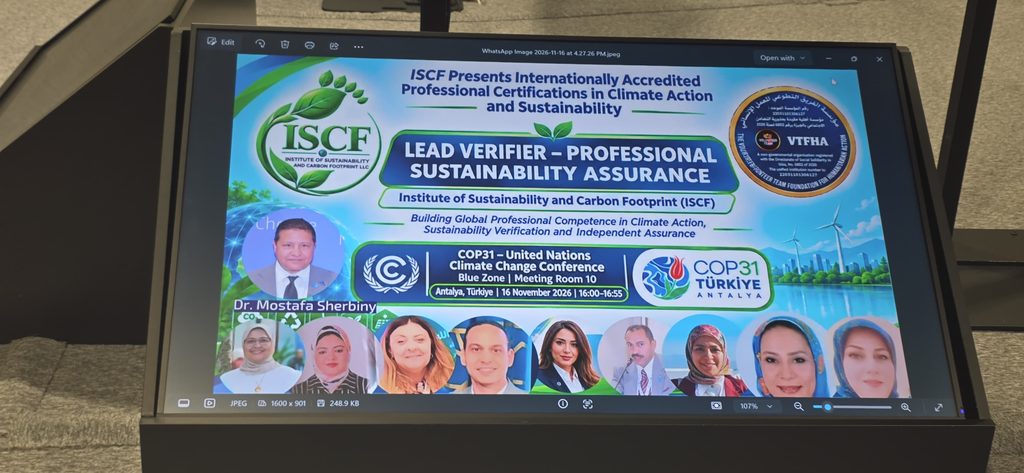
Blue Zone, Meeting Room 10
16:00–16:55 | Antalya, Türkiye
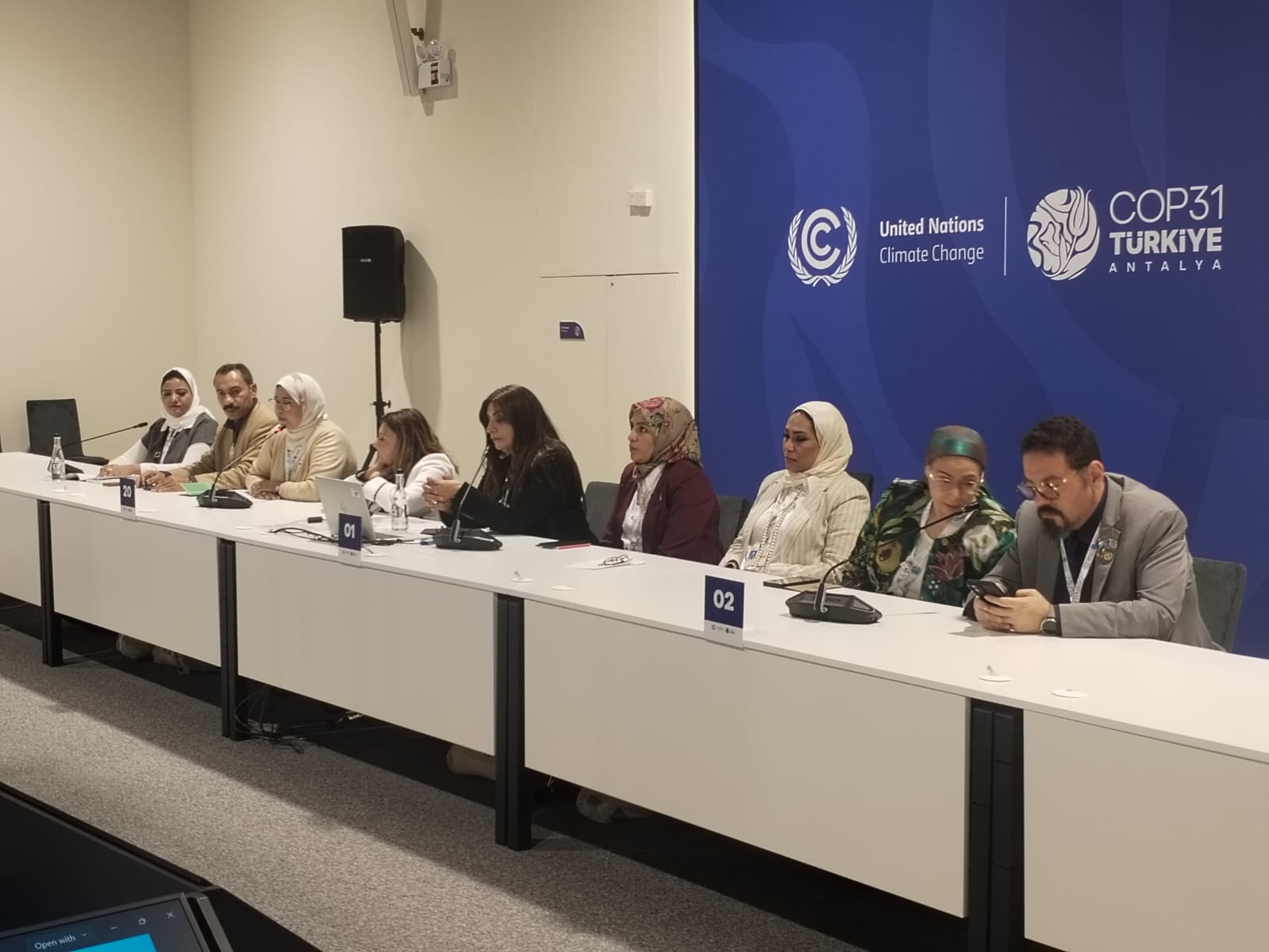
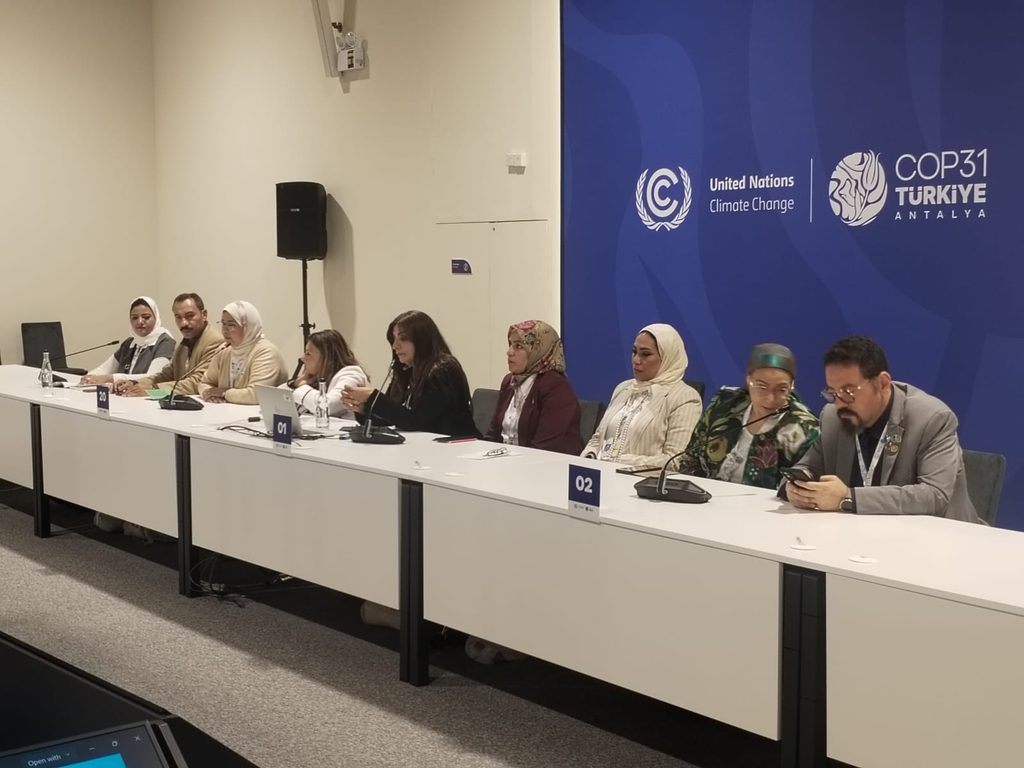
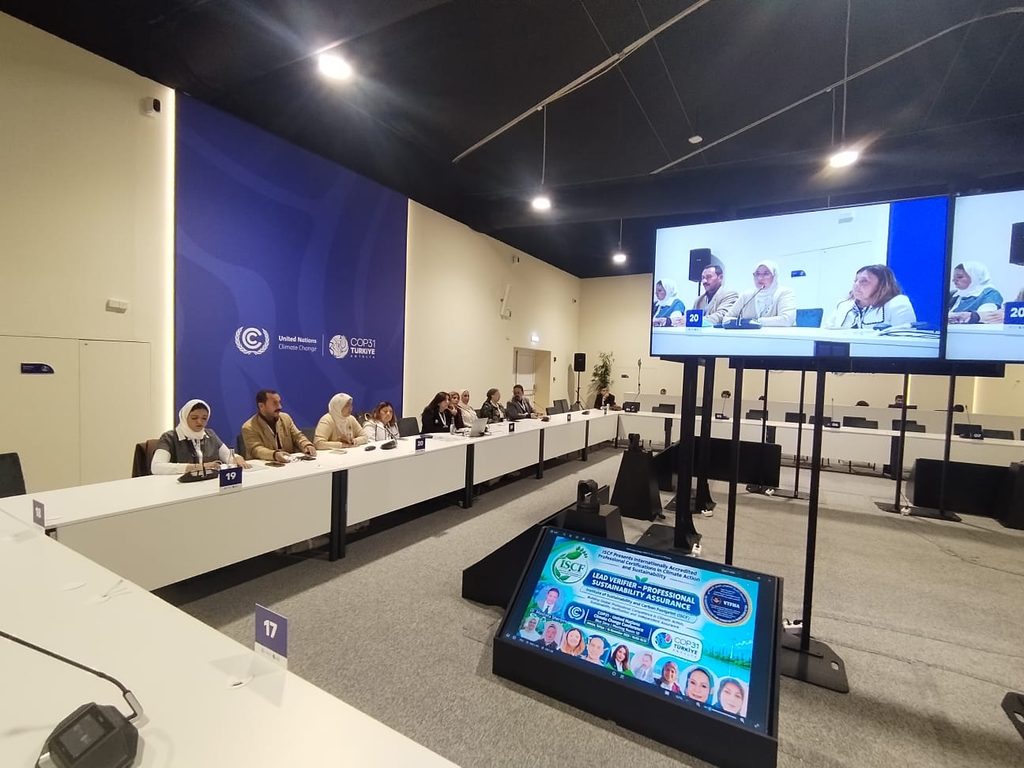
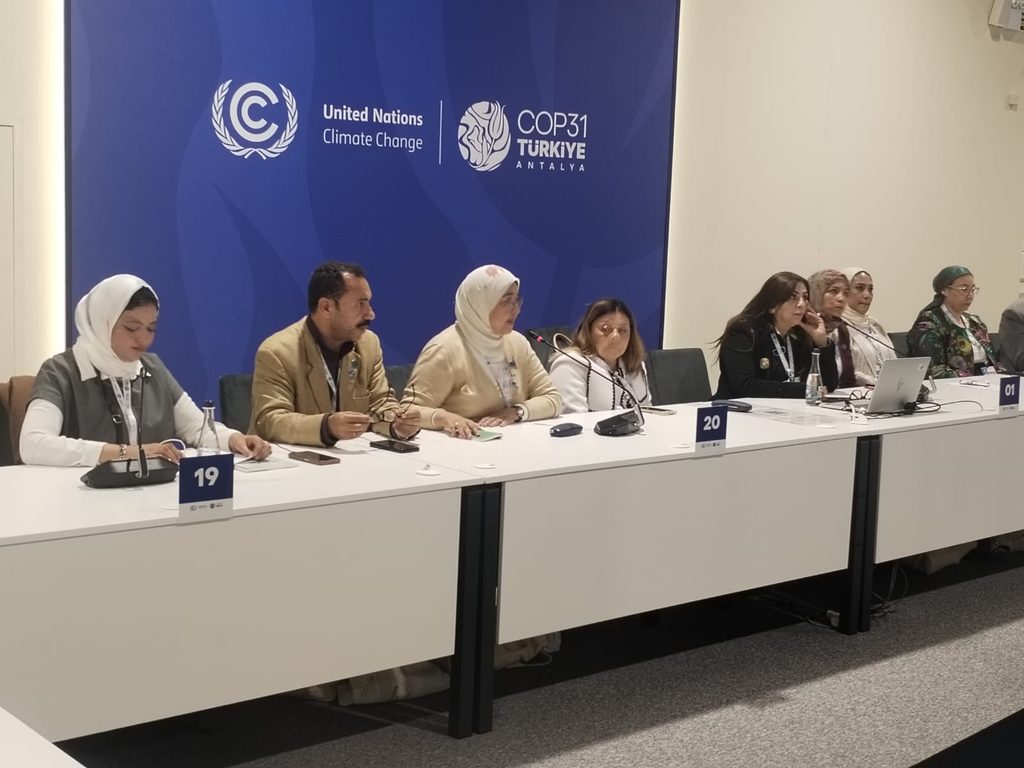
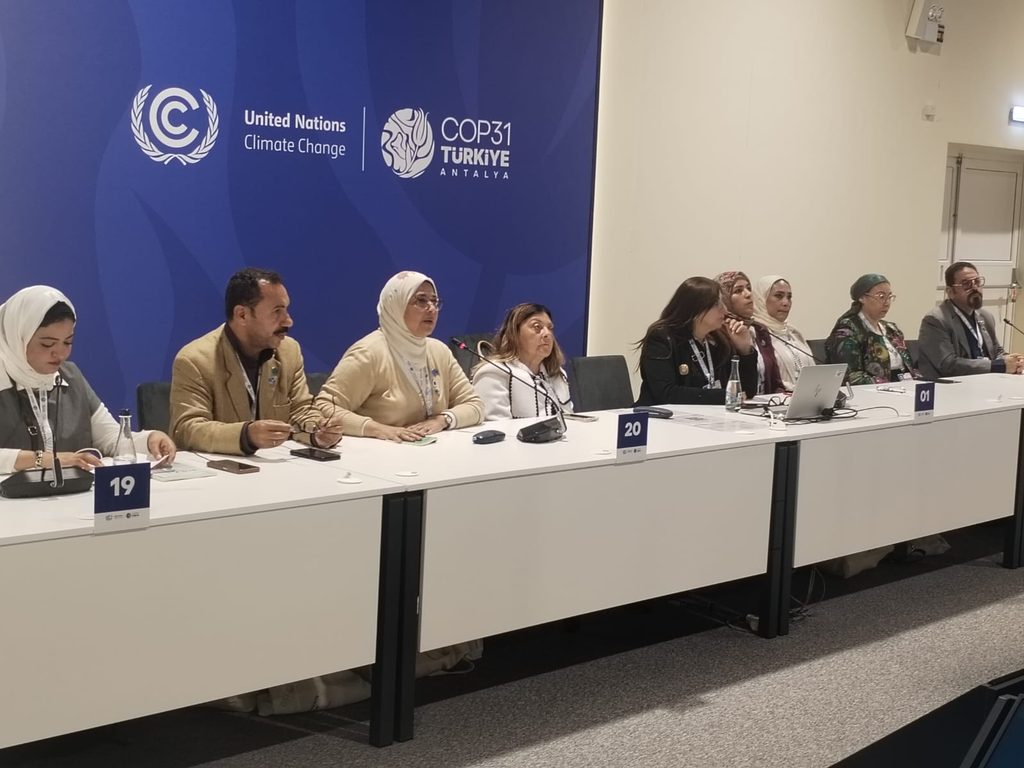
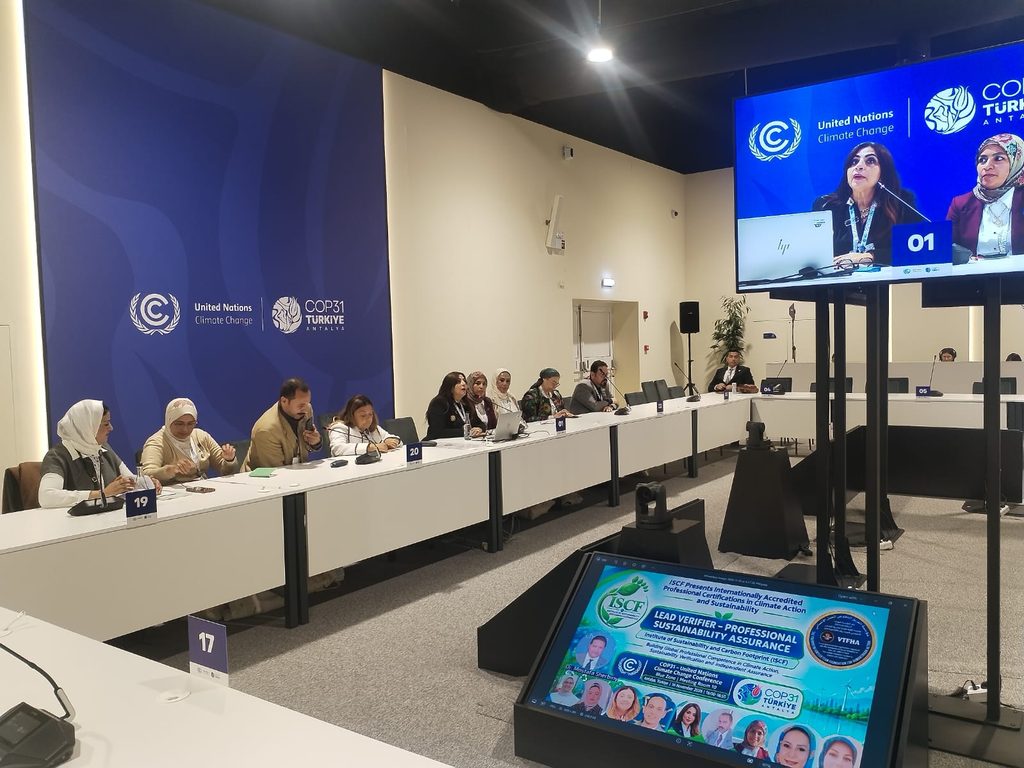
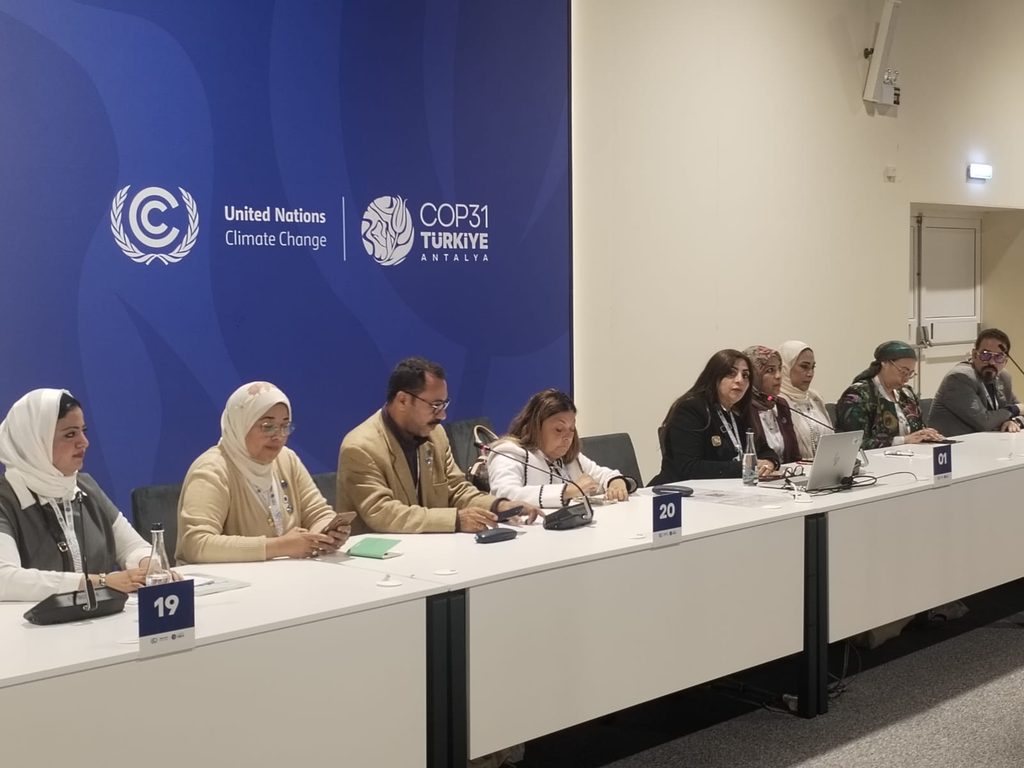
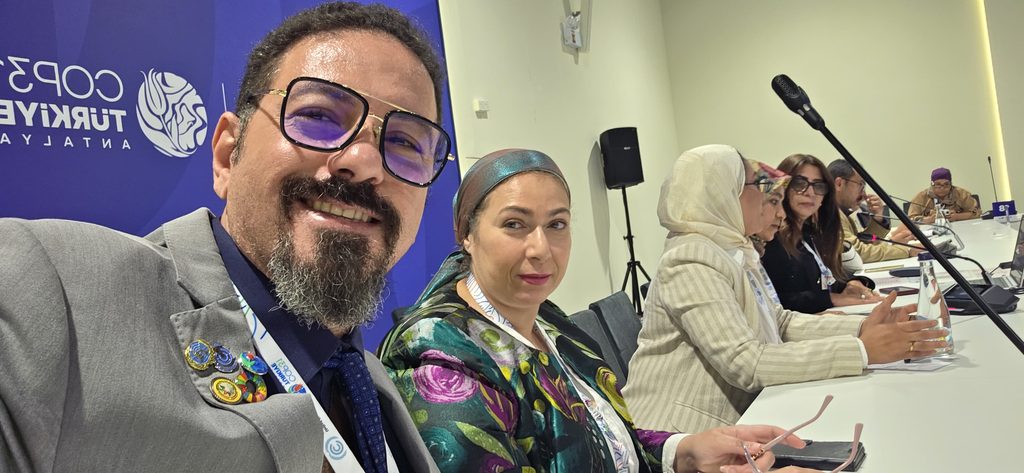
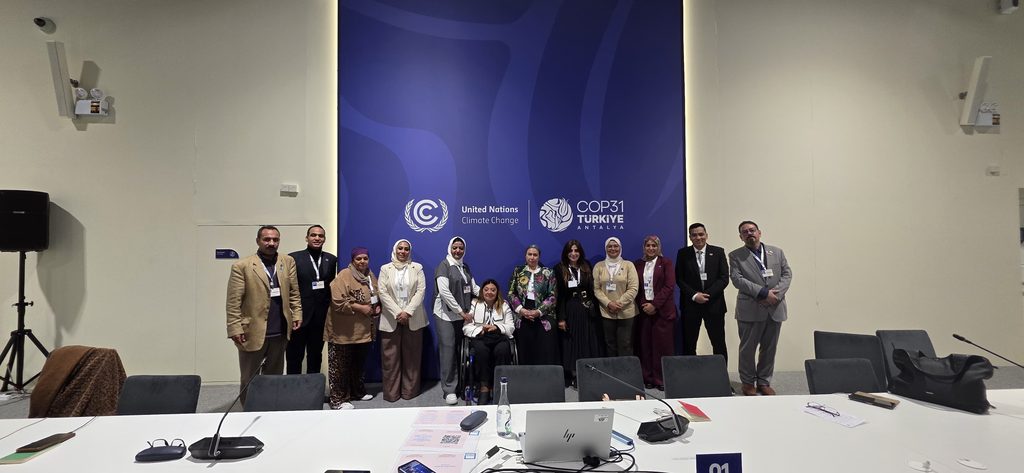
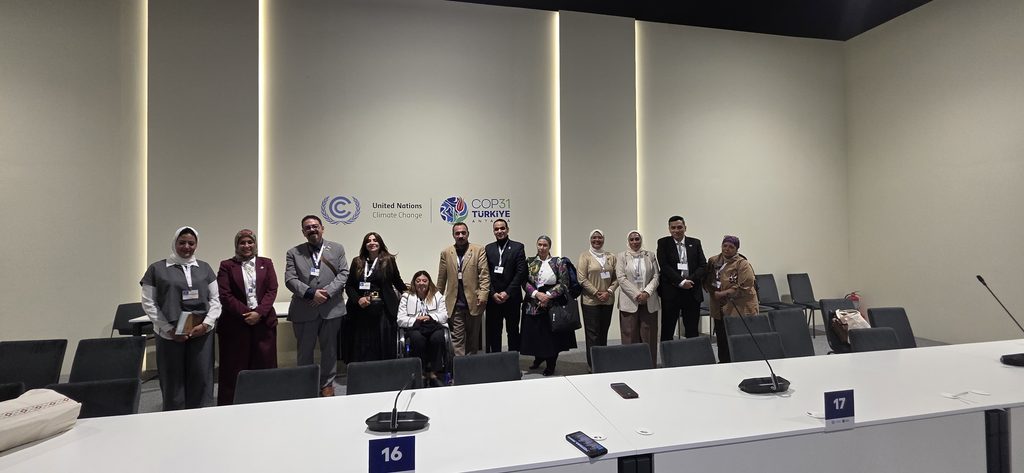
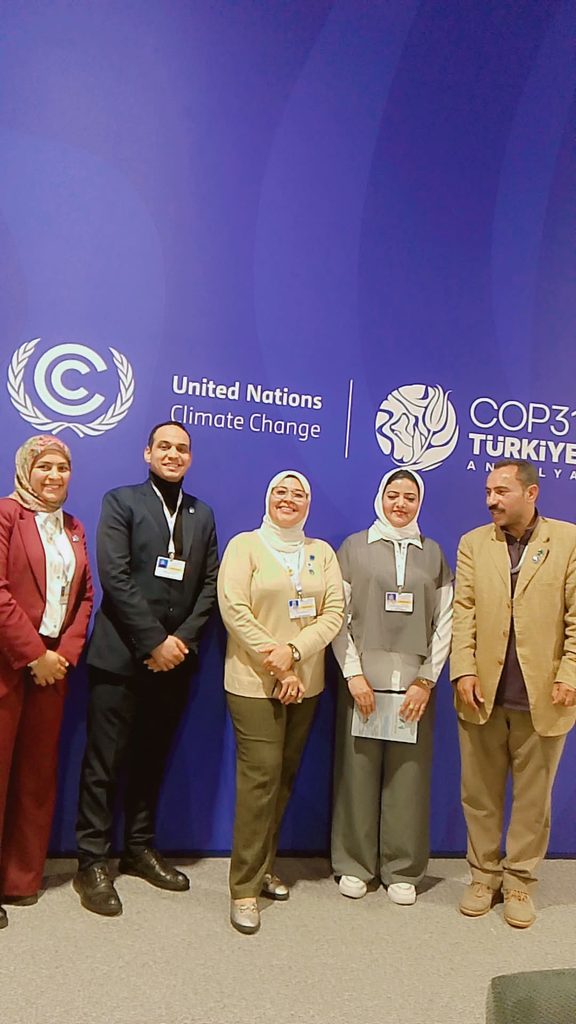
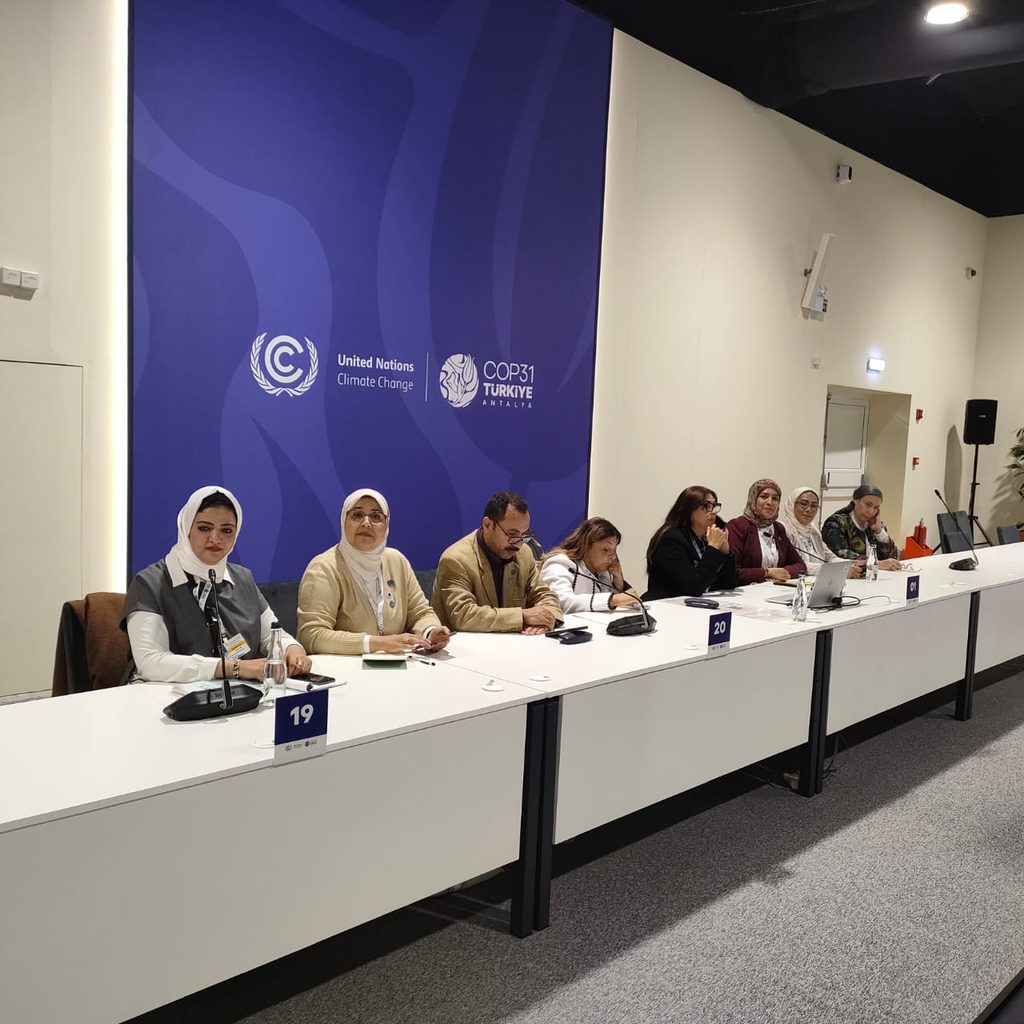
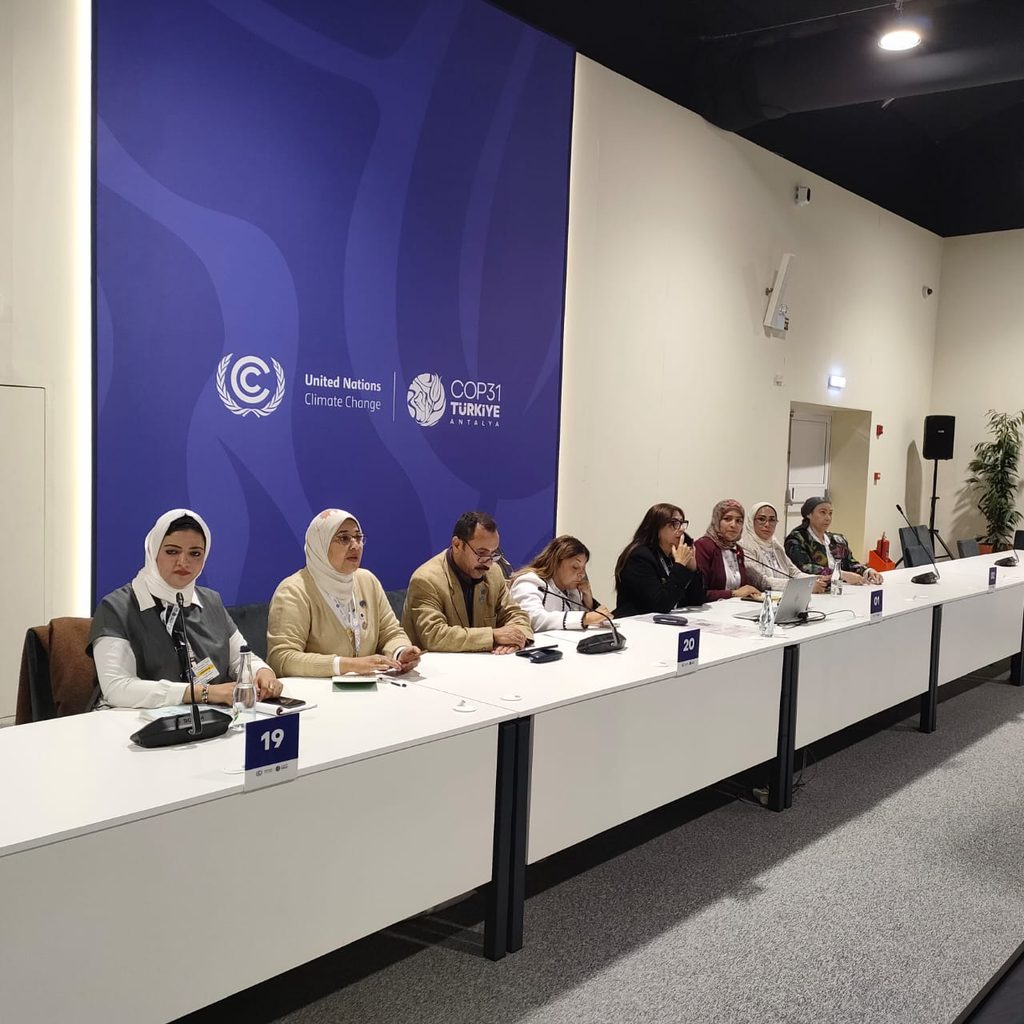
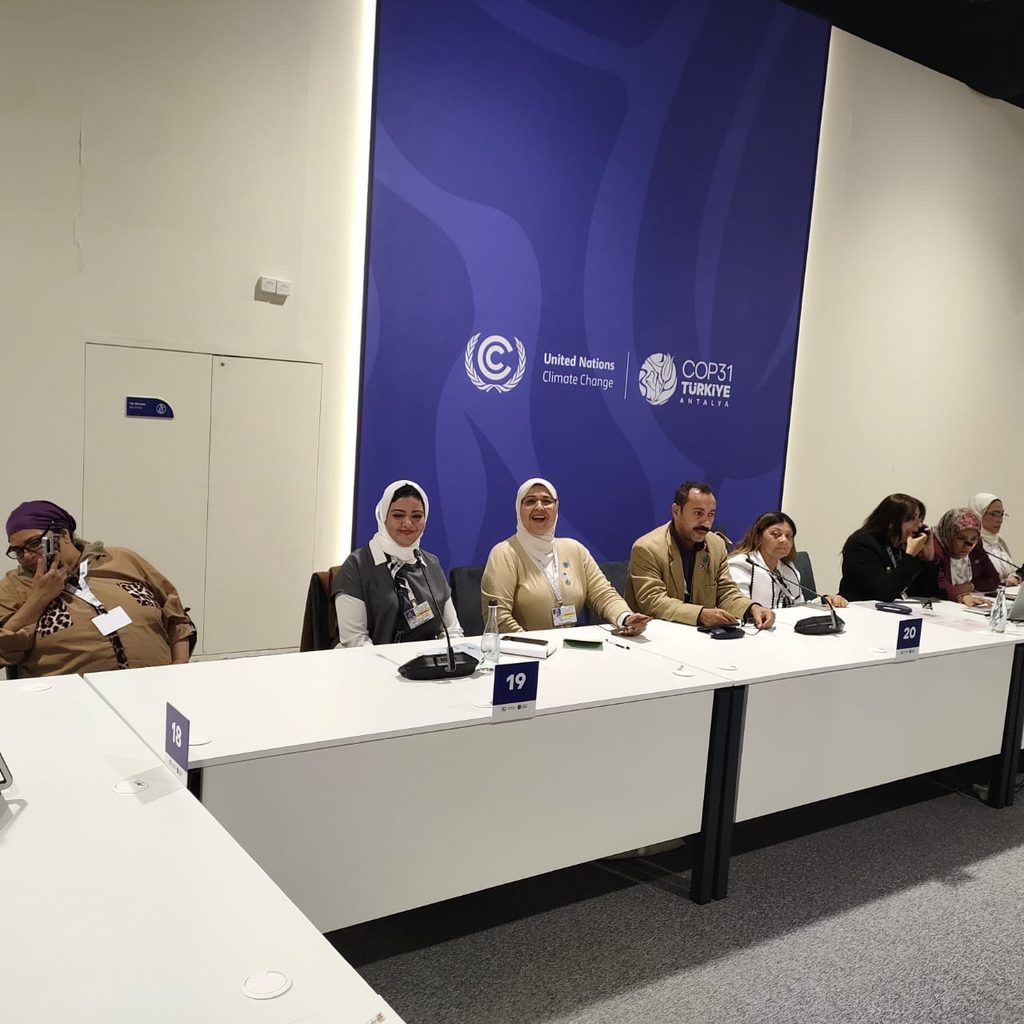
ANTALYA, TÜRKIYE | 16 November 2026 — The Institute of Sustainability and Carbon Footprint (ISCF LLC), Egypt, presented an international professional competence initiative under the theme “ISCF Presents Internationally Accredited Professional Certifications in Climate Action and Sustainability”, with a focus on “Lead Verifier – Professional Sustainability Assurance”, during the United Nations Climate Change Conference (COP31) in Antalya.
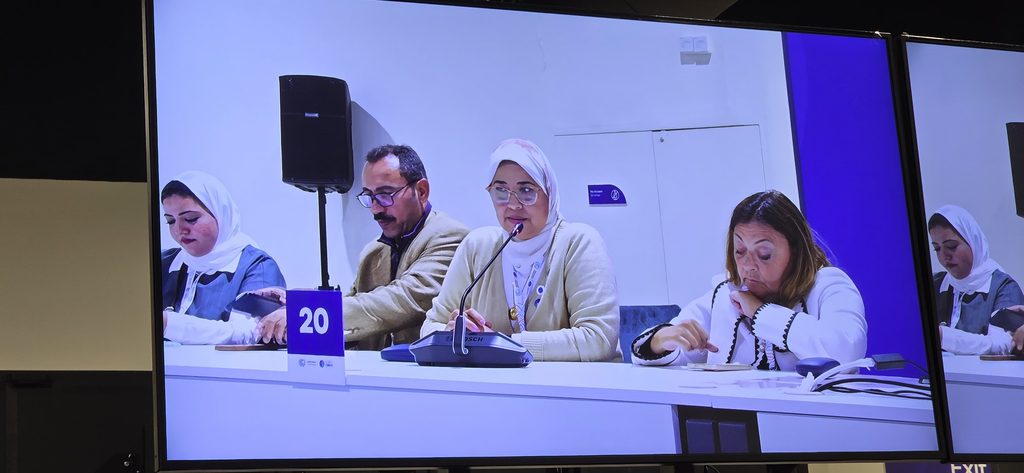
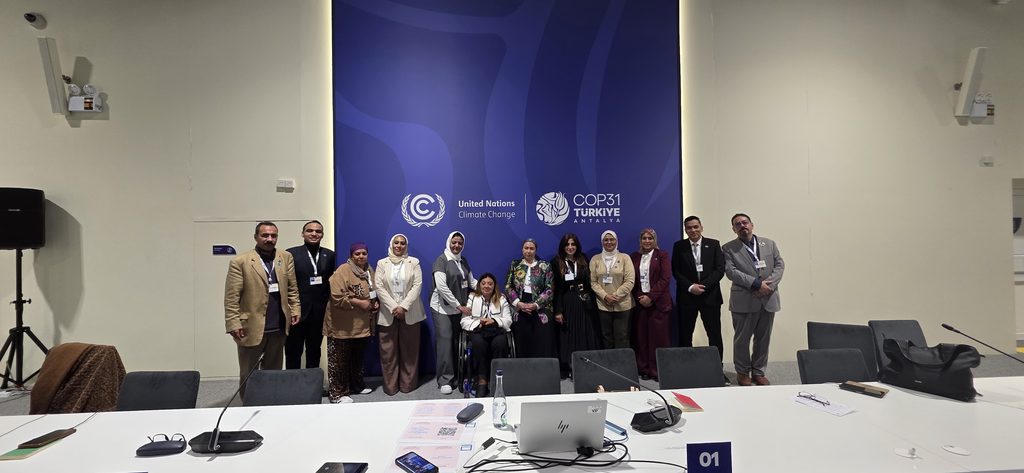
The session took place inside the conference Blue Zone, Meeting Room 10, from 16:00 to 16:55, following the official assignment of the meeting room under UNFCCC Meeting Request MRA-2026-2157, with seating capacity for up to 80 participants. The meeting-room request was registered through The Volunteer Team for Humanitarian Action (VTFHA), while the technical programme was presented and delivered by ISCF.
The presentation was led by Ambassador Dr. Mostafa Elsayed Sherbiny Elsayed, Founder and Chief Executive Officer of ISCF. It highlighted the growing need for qualified sustainability assurance professionals who can examine ESG and climate disclosures against recognised criteria, evaluate supporting evidence, and communicate independent conclusions.
Developing the Next Generation of Lead Verifiers
At the centre of the session was the Lead Verifier – Professional Sustainability Assurance competence pathway, designed for sustainability auditors, ESG specialists, climate and carbon professionals, environmental verifiers, accountants, assurance practitioners, consultants, corporate sustainability managers, and risk and compliance professionals.
The initiative addresses technical competence in assurance planning, materiality and risk assessment, evidence gathering and evaluation, professional scepticism, ethics, independence, team leadership, quality review and assurance reporting. Its approach connects professional knowledge with practical application and objective assessment, rather than treating the completion of training alone as proof of competence.
ISCF presented a proposed assessment structure covering knowledge examinations, practical case studies, review of technical evidence, professional competence evaluation, and an independent certification decision under the applicable approved certification scheme. Continuing professional development was highlighted as essential to maintain competence as reporting requirements and assurance standards evolve.
International Assurance Standards and Reporting Frameworks
The presentation explored the relationship between leading international frameworks, including ISSA 5000, ISAE 3000 (Revised), ISO/IEC 17029, ISO 14065, ISO 14064-3, and ISO/IEC 17024, alongside disclosure and reporting criteria such as IFRS S1, IFRS S2, GRI Standards and ESRS.
Particular attention was given to ISSA 5000, the international sustainability assurance standard, and its role in establishing a globally applicable framework for limited and reasonable assurance engagements. The presentation distinguished between verification, validation and assurance, and explained the relationship between engagement risk, evidence sufficiency, assurance levels and the final independent conclusion.
The session also outlined the assurance lifecycle: acceptance and independence assessment; engagement planning and risk assessment; evidence collection; evaluation of findings; quality review; and documented assurance reporting. The overarching message was clear: “Sustainability Disclosure Creates Transparency. Independent Assurance Strengthens Trust.”
Climate, Greenhouse Gas and ESG Assurance
For climate-related information, the discussion addressed Scope 1, Scope 2 and Scope 3 greenhouse gas emissions, organisational boundaries, activity data, emission factors, calculations, internal controls, monitoring procedures, traceability, baselines and reporting uncertainty. The presentation linked these technical requirements to the credibility of climate disclosures under IFRS S2 and other relevant reporting frameworks.
The discussion extended beyond emissions to the assurance of energy, water, waste, health and safety, workforce practices, governance, anti-corruption controls, risk management and other environmental, social and governance indicators. Sustainability assurance was presented as an evidence-based professional process requiring appropriate criteria for both quantitative and qualitative information.
Digital Innovation with Professional Oversight
ISCF also outlined the contribution of digital reporting and verification-readiness systems to better data integrity, including automated collection, data reconciliation, exception detection, electronic working papers, traceable audit trails and AI-assisted analytical procedures.
Crucially, the presentation emphasised that technological innovation must remain subject to human oversight, confidentiality, professional judgement, independence and documented quality controls. As the session stated: “Technology Enhances Assurance Efficiency. Professional Competence Safeguards Assurance Credibility.”
Institutional capabilities presented by ISCF included its activities within the applicable scope of accreditation under ISO/IEC 17029 and ISO 14065, its personnel-certification framework under ISO/IEC 17024, its role as an Official ISSB Global Training Partner, and its commercial digital-use licensing agreement with the IFRS Foundation for permitted sustainability disclosure applications. The licensing arrangement was presented as a commercial rights arrangement, distinct from certification or approval of any digital platform.
From Professional Competence to Global Climate Trust
In closing, ISCF reaffirmed its commitment to strengthening professional capacity in developing and emerging economies, supporting reliable sustainability disclosures, advancing technical expertise in independent verification, and promoting cross-border knowledge exchange.
Its closing vision connected four priorities: Empowering Professionals. Strengthening Assurance. Building Trust. Advancing Climate Action.
Presenter: Ambassador Dr. Mostafa Elsayed Sherbiny Elsayed, Founder & CEO, ISCF.
Venue: COP31, Antalya, Türkiye.
Leave a Reply